
Ecuadorian Street Food, a Love Story
It’s 6am in Quito, Ecuador, and the city is already awake. The dawn turns from lavender to grapefruit pink as I make my way down to the Mercado Central in time to grab something to eat before my morning classes. I was just at the beginning of my year in Ecuador, teaching English, and I was already marveling at the food, flavours and ingredients available here.
For a relatively small country, Ecuador has a vast array of climate zones; from the beach, to the jungle to the high Andes. This means that the range of foods available here is astounding, and the street food and markets reflect this abundance.
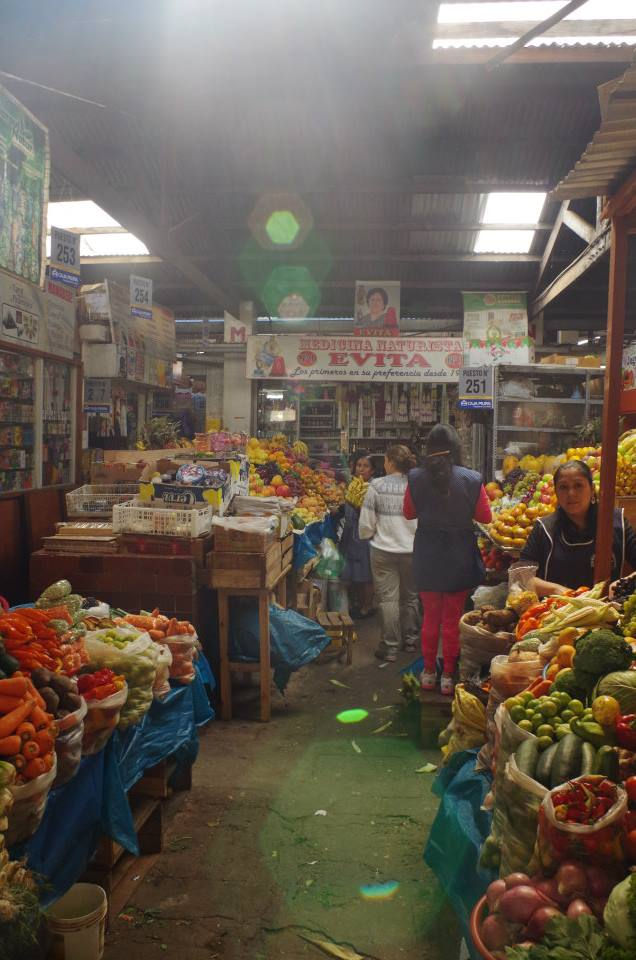
I arrive to my favourite stall at the market, a tiny place with red tablecloths. Pulling out a plastic chair I greet Ana, the smiling jefa, and sit at a shared table that looks out into the bustling market. Ordering my usual coffee, tomate de arbol juice and a bolón de verde I scanned the scene. Spending time in food markets is one of my favourite things to do when traveling. It's the perfect way to meet the people, learn the language and taste the culture.

The artist in me loves to study the cascading piles of exotic fruits and vegetables, the
handpainted signage. I marvel at the range of potatoes on offer - the colours and shapes! In
the land of their origin it's no surprise that the extensive variety of heritage potatoes here is
astounding. The heart and soul of a market are so intertwined with the heart and soul of the
country. It's etched into the face of the sellers here, the soft smiles and chatter of the
customers as they roll a mango in their palm, deciding which to buy.
I snap out of my reverie when my food arrives. Thanking Ana, I dig into my bolón de verde
with gusto, savouring it. This green plantain dumpling is warm and satisfyingly crunchy,
stuffed with melted cheese and chicharron. I eat mine with dashings of hot sauce and wash it
down with sweet black coffee. Afterwards, I sip at my tomate de arbol juice, enjoying the
sweet acidity of the cold drink. Never having heard of the fruit before coming to Latin
America, it was now one of my most drunk beverages along with the delicious chicha de piña (spiced pineapple drink).

I sip the last of my juice and stand up, opting to take the long route out of the market as I still have an hour until my first class begins. Everywhere you look there is something delicious or fascinating on offer. A trader in a brightly patterned apron mixes sweet guanbaná juices, this incredibly large, creamy fruit makes thick milkshakes that have a flavour like nothing I’ve tasted before. This huge fruit is in the custard apple (Annonaceae) family and one fruit could feed you for a week! For this reason, they’re often sold sliced into sections.
I linger at a colourful stall selling votives and religious candles, admiring the kitsch beauty of the items, a line of blinking fairy lights illuminating the Virgin Mary’s plastic face. Allured by the smell of fresh llapingachos sizzling away, I cross the market. Perhaps I’ll just get a bag, to take for lunch, I tell myself. Llapingachos are mouthwatering fried potato cakes of cheese and onion, served with peanut sauce. If you’re going to make a whole meal out of it you’ll be served them with baked pork and fried egg, avocado, sausage and salad on the side. They’re fast becoming one of my addictions in the tantalising world of Ecuadorian cuisine.

I check my watch again, how time has passed in this indoor market world! I cram my warm
paper bag of llapingachos into my rucksack and head out into the day, stomach warmed and
heart happy from the food and people of this incredible country. I can’t wait for dinner time!


Comments